Article 1. The Gospel of God
By Fr Hunter Van Wagenen
Article 1.
We rejoice in the gospel of God through which we have been saved by grace through faith in Jesus Christ by the power of the Holy Spirit. Because God first loved us, we love him and as believers bring forth fruits of love, ongoing repentance, lively hope and thanksgiving to God in all things.
If the “Gospel of God” is what saves us, as the Jerusalem Declaration begins in Article 1 – if it is “the good news of salvation, liberation, and transformation for all” – then there are eternal stakes for how we respond to it. But how do we recognize the Gospel of God as opposed to the false gospels against which teachers, from St. Paul in the first century (Galatians 1:6-9) to the framers of the Jerusalem Declaration in 2008, warn us? What is the Gospel?
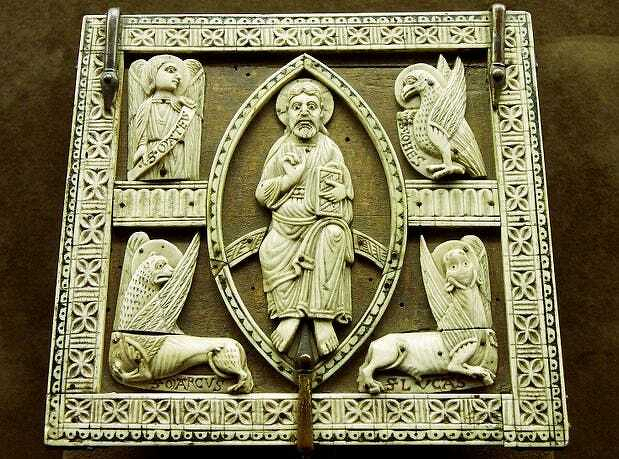
What is the Gospel of God?
The Gospel is Jesus. It is the story of Jesus: who he is and what he has done. This story is preserved in the works of the Gospel-writers—Matthew, Mark, Luke, and John—it was proclaimed by the Apostles—Peter, James, John, Paul—and it is heralded even now in our liturgies and in our streets. That which they saw with their eyes and touched with their hands, to which they devoted their lives to write and preach, we proclaim to you:
Jesus, “the Lord of glory” (1 Corinthians 2:8), assumed our nature by “being born in the likeness of men” (Philippians 2:7). Though “the world did not know him” (John 1:10), he revealed himself through “mighty works and wonders and signs” (Acts 2:22) and demanded that we “repent and believe in the gospel” (Mark 1:15). In accord with God’s plan, Jesus was “crucified and killed by the hands of lawless men” (Acts 2:23), his body being laid in the tomb (Mark 15:46) while his soul descended into Hades (Romans 10:7) for the space of three days. Though the nations raged, their plotting was in vain, for “God raised him up, loosing the pangs of death, because it was not possible for him to be held by it” (Acts 2:24). His soul united with his body, the same being glorified (Philippians 3:21), Jesus ascended into heaven (Acts 1:11), demonstrating “that God has made him both Lord and Christ” (Acts 2:36). Him we proclaim, having been entrusted with the message of reconciliation, urging all to “be reconciled to God” (2 Corinthians 5:19-20).
How can we discern a false gospel from the true?
Any presentation of Jesus that contradicts or subtracts from his work and teaching, as contained in the Scriptures, is a false gospel. Consistently presenting the entirety of the true Gospel requires repentance from all of us who claim to be Christians. It is an impulse inherent to our fallen nature to ignore, side-step, and water down the message of Christ. Yet to downplay anything Christ said or did, to privilege one teaching over another, to add to or subtract from the words of Holy Scripture, is to stray from the narrow way to life (Matthew 7:13-14). Indeed, Jesus warns that he will be ashamed of those who are ashamed of him or his words when he comes to judge the world (Mark 8:38). Therefore, any proclamation of the Gospel, any theological system or practice, must include all that Jesus delivered, for the whole garment is seamless (John 19:23).
By Grace, through Faith in Jesus Christ, by the Power of the Holy Spirit
As the article says, because “God first loved us” in sending his Son to die on our behalf and raise us to new life in him, so now “we love him.” When we fell into sin and death, rebelling against our Creator, God responded in love, mercy, and grace. No one is saved by his own initiative; God is the one who acted decisively to bring “salvation, liberation and transformation for all” through the Gospel of Jesus Christ. We are saved, not through any merit of our own, but by his grace.
Salvation from sin, death, and the devil is available for all. Liberation from the poisonous patterns of this world and transformation into the likeness of Christ are available for all. Indeed, “as in Adam all die, so also in Christ shall all be made alive” (1 Corinthians 15:22), but this salvation, liberation, and transformation are accessible only through faith in Jesus Christ. This faith is not mere verbal assent to a doctrine but trusting faithfulness to Christ empowered by the Holy Spirit (Romans 10:9; James 2:14-26). As Christ gave himself for the life of the Church, we are called to surrender our whole selves, body and soul, in thought, word, and deed, to him (Romans 12:1-2). The Gospel calls for allegiance, a whole life oriented toward pleasing God (Matthew 7:21).
We enter into this free gift of God—this newfound orientation—through our reception of the love of God in the waters of Baptism. Through the washing of regeneration we are made children of God, united to the person and work of Jesus, and filled with the Holy Spirit (John 3:5-6; Acts 2:38; Galatians 3:26-27). This sacramental action places us in the fellowship of the Church with the lifelong vocation of confessing Christ crucified and fighting against the world, the flesh, and the devil. Through the waters, the newly baptized is sealed with the Holy Spirit, thereby becoming a temple for God. This new Gospel-oriented life cannot be lived out through mere human effort, but must be empowered by God himself (Colossians 1:29; Philippians 2:12-13)
Fruits of Love
On the night before he died for us, Jesus commanded his disciples to love one another and then concluded by saying, “If you love me, you will keep my commandments.” The Gospel is lived out in love. And specifically our love for God is lived out through obedience to his commandments (John 13:34-35; 14:15-24). By trusting God’s word, his people abide in him and bring forth the fruit of the Spirit (the first being love) even up to the point of giving their own lives (John 15:9-17; Galatians 5:22-23). Since all Christians are always falling short of this law of liberty, the regular task of those who believe the Gospel is repentance: forsaking and detesting our sin and returning to God in humility (Joel 2:12-14). Repentance is not a one-time event but a continual work of choosing God over all other loves, of confessing our sins and receiving God’s forgiveness, and thereby cooperating with the interior work of the Holy Spirit (Luke 14:26; 1 John 1:8; Romans 8:13).
Just as such a life stems from love for God, it is grounded in hope for future glorification. Through living a faithful life of trust in God, even through adversity, Christ’s followers have certain hope of a heavenly dwelling, joy, and glory in the new heavens and new earth (John 14:2; Romans 5:2-5; Revelation 21:1-4). For such a hope we offer continual thanksgiving to the God who saves us, offering praise with singing and making Christ’s redemption present by celebrating the Eucharist—the new Passover and the Christian thank offering—in the fellowship of his body: the Church (1 Corinthians 11:23-26).
Lives of Repentance
Therefore, in light of the Gospel of God, we rejoice and call everyone—ourselves, GAFCON, the Global Anglican Communion, and those in the Canterbury Communion—all people, everywhere, to repentance. Let us leave the folly and condemnation of sin and the false gospels of this world and turn to the Lord of life for salvation. So what are these false Gospels that we Anglicans need to repent of?
Here is a sample:
- Arianism – which shatters the eternal unity of the Trinity and subordinates the Son, making his redemption ineffective and diminishing the glory promised to those united with Christ in God.
- Theological Liberalism – which prioritizes the contemporary sensibilities of the world over the challenging word of Scripture.
- Montanism – which seeks new revelation and ecstatic experience from the Holy Spirit while contradicting the Scriptures and neglecting the regular means of grace.
- Androgynism – which turns a blind eye to the real differences between men and women, their vocations, and the ministries to which they are qualified to serve within the Church Catholic.
These falsehoods displace Jesus from the center of his own story and become no longer the Gospel of God but the gospel of whoever preaches it. Therefore, let us examine our own lives and teaching according to the life and words of Jesus as we receive him in the four Gospels and the rest of the Scriptures. May he search us and know us, try us and know our thoughts, see if there be any grievous way in us, and then lead us in the way everlasting (Psalm 139:23-24). Then, following his commandments out of love for him, let us guard the Gospel which he has entrusted to us.